
Case Study: Decades of Data Shows Harvesters Markedly Reduce Weed Growth
Nov. 28, 2025
Background Information
- 126-acre Center Lake has an average depth of 10 feet and 6.53 miles of shoreline; including artificial channels cut through the surrounding marshland
- 439-acre Camp Lake has an average depth of 5’ with 4.85 miles of shoreline
- Both lakes are mostly muck bottoms
- 5410-acre watershed surrounded by residential homes and emergent cattail marsh
- Most of the lake’s water is supplied from surface-water runoff
- Camp and Center Lakes offer year round recreation such as boating, fishing, swimming, water skiing, ice fishing, ice-skating and snowmobiling
Most popular related searches
harvesting system
plant growing
harvest data
zebra mussel
weed growth
weed harvesting
fishery
agriculture land use
plant leaf
harvesting conveyor
- Eutrophic lake that suffers from excessive aquatic plant growth
- Wide variety of invasive aquatic plants including Curly-Leaf Pondweed, Milfoil, Purple Loosestrife and Zebra Mussels
- Agriculture is the largest land use in the lake’s watershed
- Isthmus prevents harvesting equipment from traversing from one lake to the other
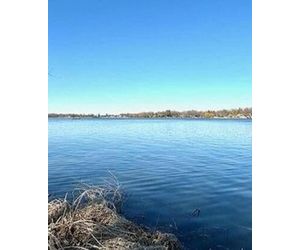
Divided by a small isthmus, Camp and Center Lakes are relatively shallow with mostly muck bottoms making them susceptible to increased aquatic plant growth that disrupts the natural ecosystem and interferes with recreation.
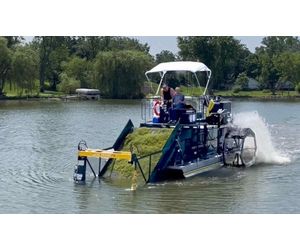
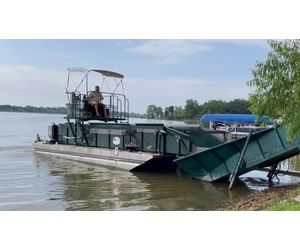
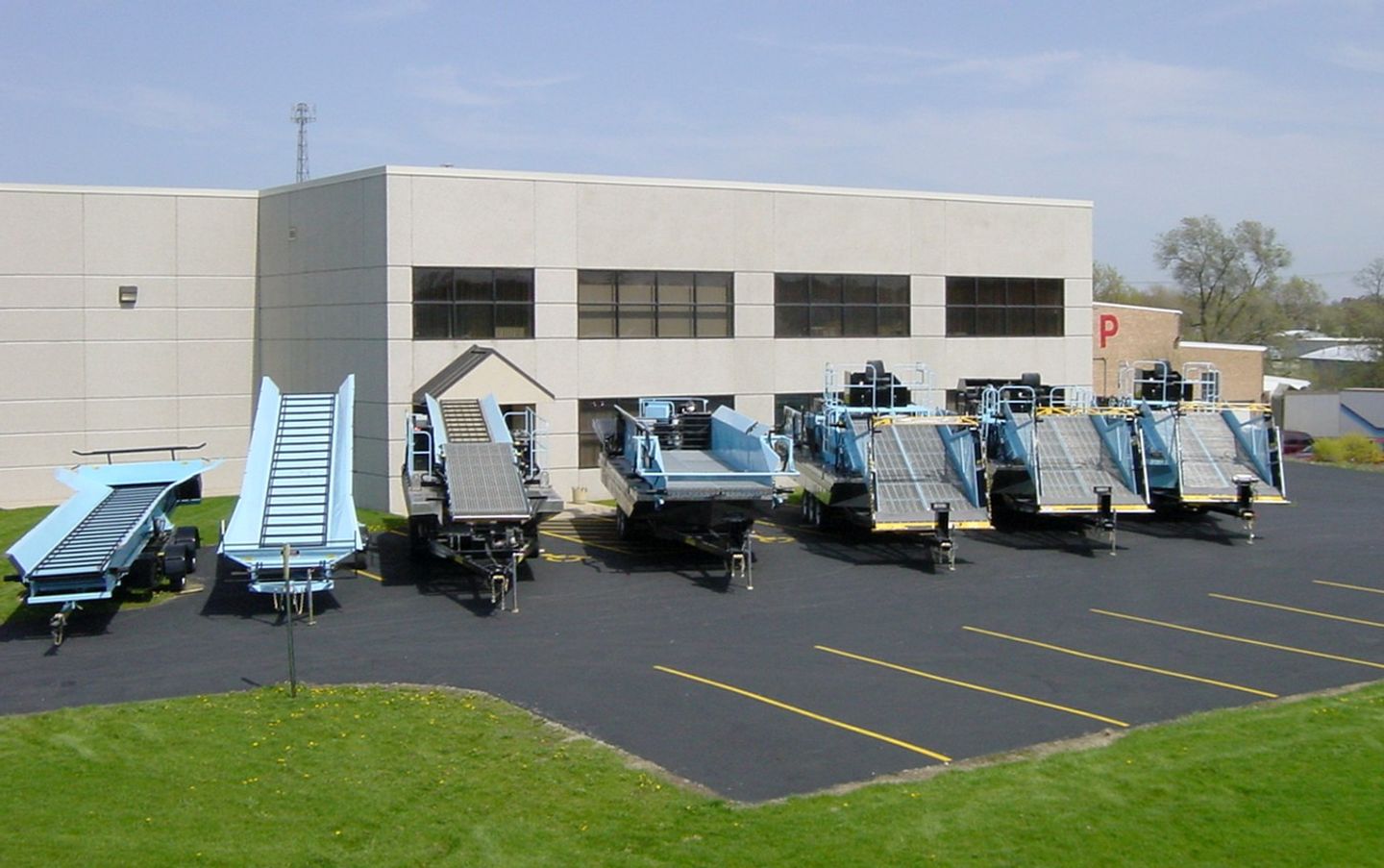
Aquatic Weed Harvesters and Offloading Conveyors are installed on both lakes with the larger of the lakes operating a second harvester as well as a Transport Barge. The Lakes Rehabilitation District has collected over 20 years of aquatic plant harvesting data and while there is still nuisance vegetation, it has significantly reduced.