


How to Raise Healthy Spring Chicks: Essential Supplies Every New Flock Owner Needs
Raising baby chicks requires careful preparation, appropriate equipment, and ongoing management to ensure health and robust growth. For producers and advanced backyard operations, starting with a warm, safe brooding environment and proper nutrition from day one is essential to achieve productive flocks.
How to Raise Healthy Spring Chicks Starts with Preparation
Spring is the peak season for establishing backyard or small-scale flocks. While warmer weather and longer daylight aid management, readiness prior to chick arrival minimizes stress and accelerates acclimation to the new environment. Procuring equipment ahead of time ensures a smooth transition into a warm, secure brooder designed to support early development.
Essential Supplies to Raise Healthy Spring Chicks
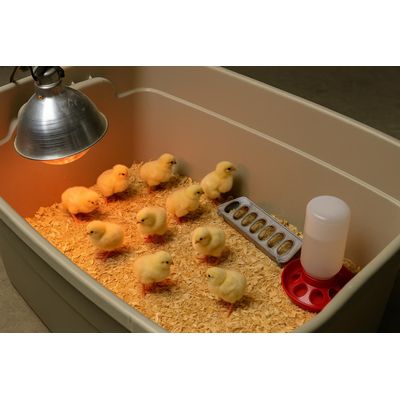
- Brooder Box & Brooder Cover: A warm, secure enclosure for the first weeks of life. Use ready-made brooders or improvised options such as plastic totes or large boxes. Provide at least six inches of space per chick initially, expanding to about two square feet per bird as they grow. Install tall walls to prevent jumping, place the setup in a draft-free area, and add a breathable cover to permit ventilation and prevent escapes as birds become more curious.
- Heat Source: Maintain an external heat source to allow chicks to regulate exposure. A heat lamp or heat plate should warm a defined area while leaving a cooler zone for movement. Target approximately 95F during the first week, decreasing by about 5F each week until the brooder reaches around 75F. Behavior, such as crowding under the heat or spreading away, indicates adjustments are needed.
- Bedding Material: Use clean, dry bedding to keep chicks comfortable and to provide traction. Common options include pine shavings, clean sand, paper towels, shredded newspaper, or burlap. Avoid cedar chips or strongly aromatic woods. Change bedding regularly to maintain a dry, sanitary environment and reduce odor and bacterial buildup.
- Feed: Provide high-quality chick starter feed for early development. Use divided troughs to minimize contamination, and raise the feeder slightly above floor level to reduce waste. As birds grow, transition to appropriate feed options and consider incorporating Backyard Boost Daily Essentials, a pelleted protein supplement designed for all classes of poultry. Daily Essentials is rich in protein and fortified with prebiotics, vitamins, minerals, and organic trace minerals, and it contains AO-Biotics EQE, a postbiotic proven to support egg quality and production.
- Water: Access to clean, fresh water at all times is essential. Clean waterers daily and ensure the container is shallow enough to prevent drowning. If deeper, use pebbles to reduce the risk of submersion. Consider supplementing water with Backyard Boost Defense to promote hydration and support digestive health and inflammatory response, containing AO-Biotics Amaferm, a prebiotic that enhances digestibility and nutrient absorption.
- Thermometer: Place a thermometer at chick level in the brooder to monitor temperature and adjust heat as needed during the brooding period.
- Grit: Provide chick grit to aid digestion when birds consume anything other than starter feed. Use small amounts to avoid overconsumption and monitor use as they transition to different feeds.
- Safe Environment: Protect chicks from predators by locating the brooder in a secure area inaccessible to household pets. A quiet, low-stress environment facilitates faster adaptation.
- Socialization & Handling: Gentle handling builds familiarity with humans. Limit handling in the first days while chicks acclimate, and use calm interactions to help them recognize human presence over time.
Daily Care Tips for Raising Healthy Spring Chicks
Daily observation complements the supply readiness. Healthy chicks typically exhibit:
- Bright, alert eyes
- Active movement around the brooder
- Steady feed and water intake
- Smooth feather development
If chicks appear lethargic, refuse food, or crowd under the heat source, reassess brooder conditions, focusing on temperature, water access, and feed availability.
Transition Spring Chicks to the Coop
Most chicks are ready to move to the coop at six to eight weeks. Expect rapid growth and plan accordingly. When transitioning, retain essential supplies such as feed, water, and bedding. Ensure the coop is predator-proof, well-ventilated, and spacious enough for each bird. Introduce outdoor exposure gradually to acclimate to temperature changes and new surroundings. Check local ordinances for backyard poultry where applicable.
Managing Nutrition and Supplements
Supplements can support growth and health during early development. High-quality starter nutrition paired with Backyard Boost Daily Essentials, a pelleted protein supplement designed for all poultry classes, can aid growth, feathering, and overall flock performance. For digestion and hydration, consider products that include prebiotics and postbiotics to support nutrient absorption and gut health.
Backyard Boost Daily Essentials is rich in protein and fortified with prebiotics, vitamins, minerals, and organic trace minerals, and contains AO-Biotics EQE, a postbiotic proven to support egg quality and production. Backyard Boost Defense, containing AO-Biotics Amaferm, supports digestion and nutrient absorption when added to water.
Get Your Backyard Boost Today
Supplements and feed products are available through the company's distribution channels and authorized retailers. Availability may vary by region.
Stay in the Know
Additional resources include care cycles for backyard poultry and educational blogs, as well as newsletter sign-up for ongoing flock management insights and product information.
Contact
6010 Stockyards Expressway
St. Joseph, Missouri 64504
Phone: 816-238-3326
Original: https://biozymeinc.com/blog/how-to-raise-healthy-spring-chicks/