

Arntjen Germany GmbH products
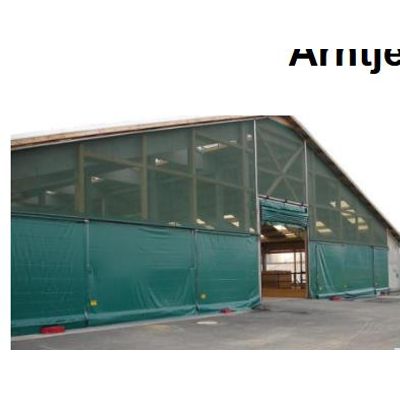
Arntjen - Curtain System
The climate in a modern cubicle barn must accommodate the requirements of the dairy cows 100 percent. "Since the cattle has the nature of a polar animal" (quote, Grauvogel 1994), it prefers dry and cold environments to heat and humidity. A lack of fresh air means:
Arntjen - Door System
Arntjen has the right door system for every specific purpose. The technology integrated into our folding doors is safe and convenient
and can easily be controlled with a remote control. They have proven fit for practical use for many years. One drawback is, however,
that each meter of passage height requires approx. 17 cm of storage space as the folding door is folded together when opening. This
does not pose a problem in tall buildings.
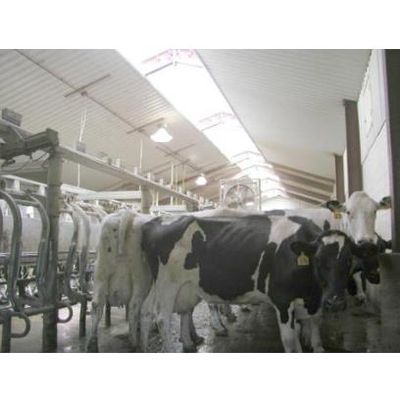
Arntjen - Model ISO - Ventilation and Exhaust Systems for Cubicle Barns
The extraction of exhausted air is just as important as the supply of fresh air. This is because the volume of air that can be supplied can only be as great as the volume of vented or extracted air. An efficient venting system ensures that water vapor and, thereby, germs, ammonium, CO2 and other harmful gases are continuously extracted from the stable. Only a shed that is virtually free of harmful gases will allow a cow to perform at its best.Our patented lighting and ventilation ridges have been the preferred choice for newly constructed stables for many years. The benefits a ridge system has to offer speak for themselves:

Arntjen - Centrifugal Big Fan
Profitable dairy farming is not possible unless the cows can retain their peak milk production even when no wind is blowing and temperatures are high. As already mentioned in a previous article, animals suffer heat-induced stress when the temperature in the shed climbs above 20°C. The cows become sluggish, eat less, and start panting in an effort to release their body heat. When the temperature rises from 20°C to 30°C, cows will take in at least 1.5 kg less dry substance and produce 3-5 kg less milk a day.
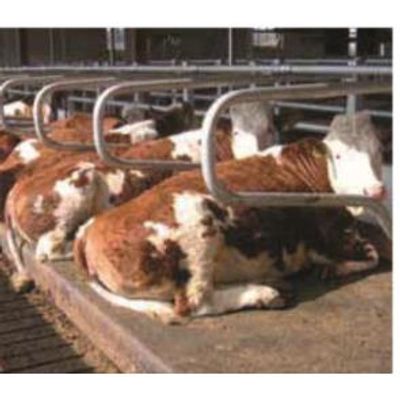
Arntjen - Floor / Gangway Coverings
The tests performed by the DLG tried to determine the deformability and elasticity of Arntjen`s cubicle coverings as well as how well they hold up against exposure to a continuous tread load. These test results give farmers additional assurance when deciding to invest in these cubicle coverings during the new construction or expansion of their cowsheds. In addition, we grant a 10-year manufacturer`s warranty!
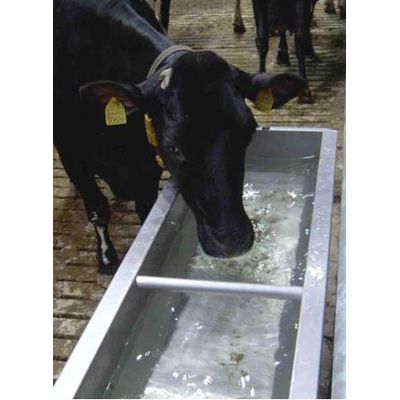
Arntjen - Waterer
As any other animal, a dairy cow needs food and water in order to produce milk. While the more affordable resource, water should receive the same amount of attention as any ration of feed. After all, milk consists of 87% water! To produce 1 liter of milk, cows need 3 liters of water, or up to 4 liters in the summer time. This is equal to a volume of 80 to 170 liters per cow a day. If their water intake is restricted in any way, the
cows will yield less milk!
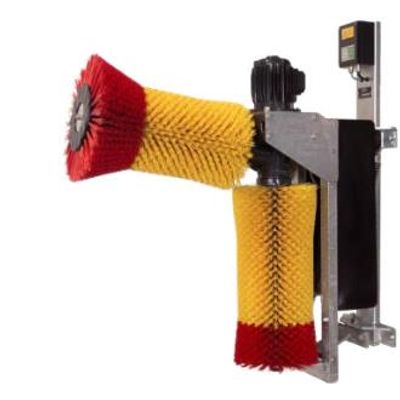
Arntjen - Cow Brush
The Arntjen first class cow brush can be used to brush cows and remove parasites in the gentlest way possible. This tried and tested dual-brush system cleans and massages the entire body
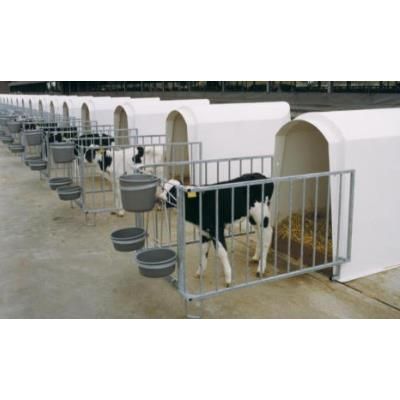
Arntjen - Calf Hutch
The calf hutch prevents any light from penetrating, while the white colour reflects sunlight. This keeps the hutch cool in relatively high temperatures. The hutch offers good hygiene. It does not have any seams or profiles in which dirt can collect. Medication expenses and
visits from the vet will decline and lower the pressure of infection and illness.

Arntjen - Barn Equipment
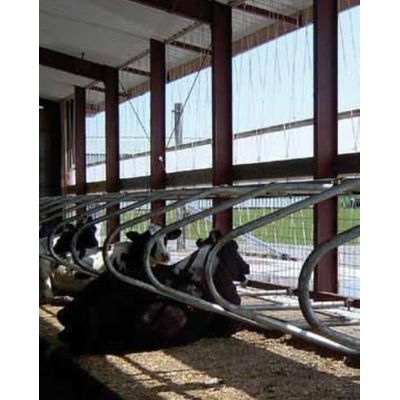
High-yield cows are supposed to rest for at least 12 hours a day. Only sufficient rest will stimulate the animals` metabolism enough to produce 30 l of milk a day. The following requirements should be met:

Arntjen - Submersible Pump
As any other animal, a dairy cow needs food and water in order to produce milk. While the more affordable resource, water should receive the same amount of attention as any ration of feed. After all, milk consists of 87% water! To produce 1 liter of milk, cows need 3 liters of water, or up to 4 liters in the summer time. This is equal to a volume of 80 to 170 liters per cow a day. If their water intake is restricted in any way, the cows will yield less milk!