


- Home
- Companies
- CoPulsation
- Products
CoPulsation products
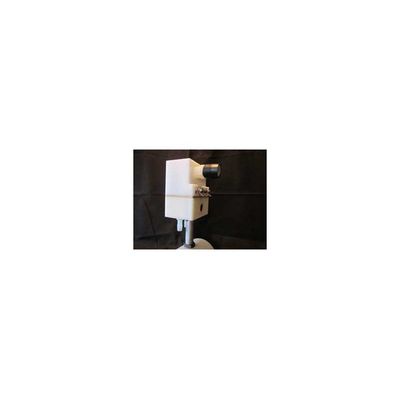
CoPulsation - Pulsation Milking System
The CoPulsation™ Milking System is an innovative pulsation system that consists of pulsators, controlling electronics for power the pulstors, shells, liners and splitter Tees. This product is easily installed and maintained and can replace any existing pulsation system. It is in use on farms ranging in size from small ones with bucket milkers to large parlors milking thousands of animals 24 hours a day. CoPulsation™ is the only humane way to milk an animal with a machine as it provides a gentle compressive massage action on the teat during the rest phase that is most similar to the sucking action of a newborn.
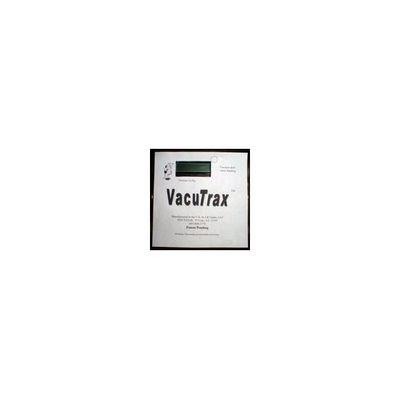
VacuTrax - Vacuum System Monitor
This patent-pending product provides the progressive and quality conscious dairy farmer a means of continuously monitoring the total health of the vacuum system. The total system air flow capacity (reserve) is routinely monitored along with real time monitoring of the min/max vacuum level, trending of vacuum levels and display of the actual vacuum level. The VacuTrax™ Vacuum System Monitor provides advance warning of pump degradation, improper vacuum regulation/control and system leaks. It also acts as a vacuum system analysis tool to aid in troubleshooting facility performance problems. Visual alarm indications provide the user with an instant indication of performance issues.
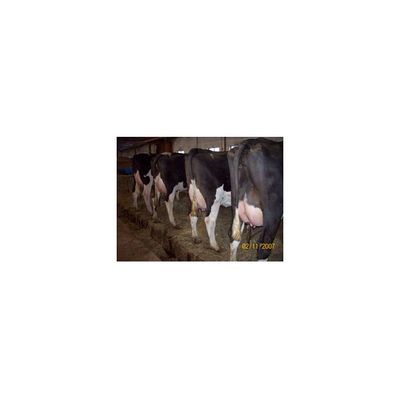
CoPulsation - Conventional Milking Systems
There is no doubt that conventional milking systems cause a number of milking performance and milk quality problems. These problems include liner crawl, incomplete milkout, uneven udders, teat swelling, teat canal scarring (slow milking quarters) and mastitis to name a few. The following is a description of how your conventional milking system causes some of these problems and was authored by Westfalia-Surge as a part of a recent US patent document disclosure in December 2004.
Cows Get Mastitis
Mastitis originates from an infection in the cow`s udder. The path for the invasion of that infection is through the cow’s teat end opening and up the canal. Cows have natural defense mechanisms against this invasion. The first line of defense is the muscle in teat end opening. This muscle, the sphincter muscle, closes the teat end when the cow is not being milked. The second line of defense is the lining of the teat canal. Both of these defense mechanisms become compromised when milking a cow with a conventional milking system. The conventional system damages these defenses by failing to properly relieve the canal of the milking vacuum causing swelling and effectively sucking them away. This is evident not only from the calloused and distended teat ends but in the occurrence of slow milking quarters.