

Dellait - Animal Nutrition & Health products
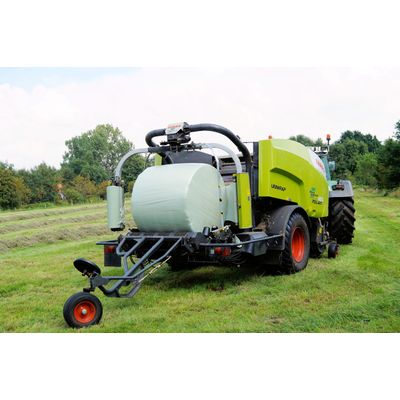
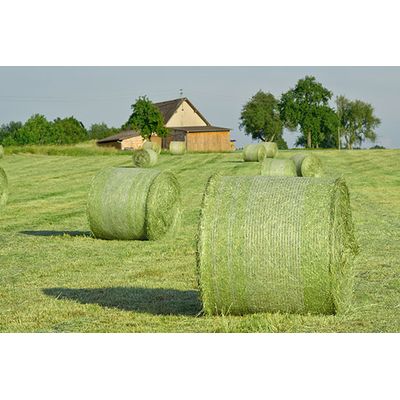
Forage Preservatives
In locations where forages cannot be grown or grazed by cattle throughout the year, animal feed must be conserved by harvesting and storing. Forage is typically stored as either dry hay or silage. The goal of forage preservation is to produce a stable feed with a high recovery of dry matter, energy, and highly digestible nutrients compared with the fresh crop. Silage making is probably more than 3000-year-old; the ancient Egyptians and Greeks stored grain and whole forage crops in silos. Silos were found in the ruins of Carthage and Teutons in the first century stored green fodder in pits in the ground and then covered the pits with dung.
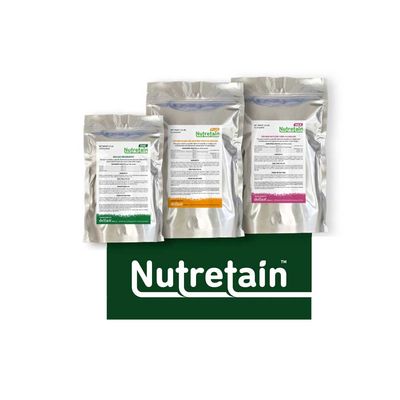
Nutretain Silage Inoculants
Nutretain is a science-based forage preservation technology that synergistically combines multiple bacteria strains with high-activity enzymes to speed the fermentation process increasing lactic acid production while improving dry matter recovery and forage quality over a broad range of crops. Additionally, Nutretain silage inoculants work as very effective preservatives. Nutretain treated silages produce moderate concentrations of acetic acid during fermentation; this is beneficial because acetic acid inhibits yeasts and molds, resulting in improved stability when silage is exposed to air. In fact, silages with very low concentrations of acetic acid may be unstable upon feed-out (Kung et al., 2018). When acetic acid from silages is consumed by ruminants, it can be absorbed from the rumen and used for energy or be incorporated into milk or body fat.