

Dellait - Animal Nutrition & Health services
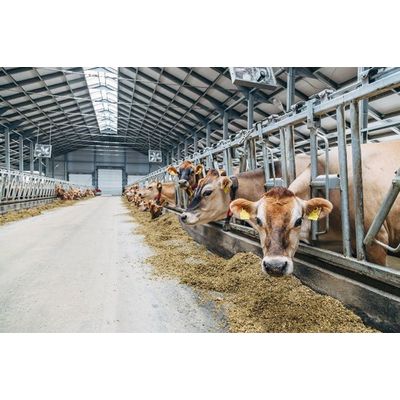
Dairy Cattle Nutrition Services
The dairy cattle industry is changing rapidly. Over the next 20 years, the worldwide demand for dairy products is projected to increase by more than 40%. Sources of new land are limited; therefore, greater milk yield and feed efficiency are critical to meet the ever-increasing global demand. Dairy operations face difficult challenges, including achieving growth and adapting business models to compete in a changing landscape. Going forward, dairy farms will have to operate in an increasingly complex environment, which includes greater competition for resources such as feed sources; higher environmental pressure on farming techniques; and shifting customer preferences. These factors elevate the complexity and the risk for even the best-run dairies. We understand the key strategic issues facing the industry and we provide help to navigate these and many others to achieve sustainable results.
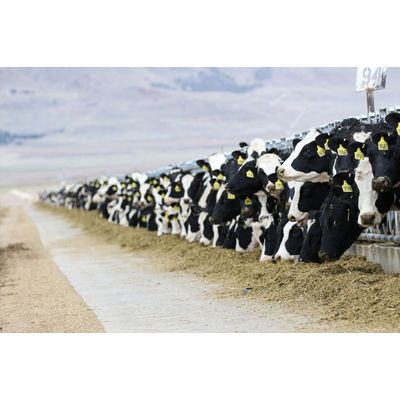
Feeding Management Services
Since feed is the highest expense on dairy farms, the feeding program is a critical element for dairy’s financial success. Recent audits of feeding programs on dairies suggest that variability on nutrient composition of diets (total mixed rations; TMR) is a serious problem that may affect cow production performance and health. In a survey of 22 Canadian dairy farms, the average TMR delivered in the feedbunk exceeded TMR formulation for energy (+0.05 Mcal NEL/kg), nonfiber carbohydrates (+1.2%), calcium (+0.08%), phosphorus (+0.02%) but included lower protein (−0.4%) and fiber content (−0.6%) than formulated. The authors reported than more day-to-day variation in the energy level of the TMR decreased intake and milk yield: every 0.5 units increase in variability of energy (NEL) was associated with a daily reduction in milk yield of 3.2 kg.