


Desert Control AS services
Solution Areas
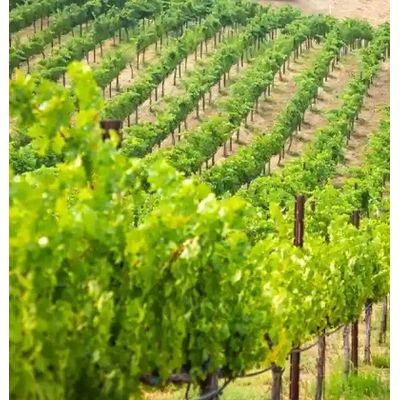
Desert Control - Solutions for Agriculture
Maximize Harvests, Conserve Water & Preserve Soil Nutrients. Problem: Agriculture faces significant challenges due to soil degradation, which affects productivity and increases water scarcity. Solution: At Desert Control, we address these issues with innovation, providing efficient and sustainable solutions to revitalize degraded lands.

Desert Control - Solutions for Landscaping
Elevate the sustainability of parks and green spaces with Desert Control’s LNC technology. Our sustainable solution revitalizes soils by enhancing water and nutrient retention. This enables resilient green landscapes even in the harshest environments while preserving precious water resources. Talk to us or our partners to turn deserts into green spaces for communities to enjoy. Designed for areas with sandy, light, and thirsty soils beneath the landscapes, LNC significantly reduces irrigation needs and water consumption, enhancing the health and beauty of turf, lawns, trees, flowers, shrubs, and all types of plants in landscaped areas.
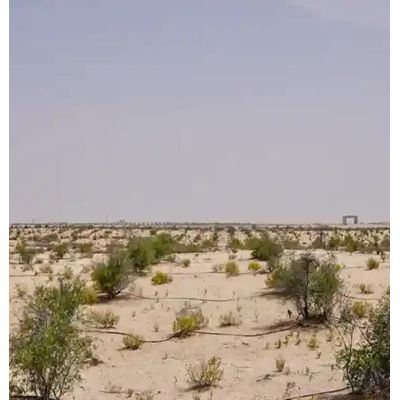
Desert Control - Solutions for Trees, Forests and Reforestation
Boost Forest Health and Reforestation Efforts: Our LNC solution can be non-intrusively applied to existing trees through irrigation systems, sprayed onto the surface, or injected directly into the soil. This versatile application allows the liquid to permeate the soil and form a structure that acts like a sponge around tree root zones. By retaining water and nutrients more effectively, LNC reduces the need for frequent irrigation, enhances soil health, and improves growth conditions. This leads to healthier trees with strengthened drought resilience, making forest management practices more sustainable and less resource-intensive.
Desert Control - Solutions for Impact Initiatives
Desertification is a Global Problem: Over 20% of the earths fertile land is already degraded. Deserts are spreading so fast that global agriculture may only have 60 harvests left. 12 million hectares of fertile land perish to desertification annually according to United Nations. That is 2000 football fields of fertile soil turning to sand every hour. As this plays out, our global population is growing so fast that we will need more food in the next 40 years than the planet has produced in the last 500 years.