

Doing Holdings - Henan Jinrui Food Engineering Co., Ltd news
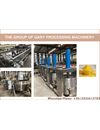
Africa stands as one of the world’s leading producers of cassava. Yet, for many local processors and farmers, turning this potential into consistent profit remains difficult. Common barriers include underdeveloped transport networks, unreliable electricity, and limited output—all of which restrict value addition and sector growth.
At Henan Jinrui, we specialize in engineering cassava processing machinery that is designed with these real-world constraints in mind. Our goal i

The cassava processing industry presents a significant opportunity, especially in regions with strong agricultural roots. Many aspiring entrepreneurs are drawn to its potential but are unsure where to begin. If you're considering entering this field, a clear roadmap is essential. This guide outlines key strategic steps to transform cassava into a profitable business, helping you navigate from concept to a operational setup.
Step 1: Conduct Thorough Market & Product Analysis

In Nigeria, garri is traditionally prepared through a labor-intensive roasting process. With the increasing demand for gari, the need for efficient and reliable frying machines has become more pronounced.
This article, Henan Jinrui explores the prices of locally fabricated garri fryers in Nigeria, analyses the factors affecting the garri fryer price and give you the recommendation about the garri fryer.
The introduction of
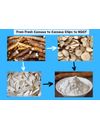
If you're already processing cassava chips and want to expand into high-quality cassava flour (HQCF) production, you'll need the right processing machines to ensure efficiency and product quality.
Henan Jinrui, a leading manufacturer of cassava processing equipment, explains the key machines required, factors affecting flour quality, and best practices for producing premium HQCF.
Key Machines for
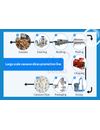
For any small-scale cassava chip venture, one piece of equipment stands as the cornerstone of your operation: the cutting machine. Your choice here directly dictates your product quality, production efficiency, and ultimately, your business profitability. So, what should you look for in a machine tailored for a small but ambitious operation?
1. Durability for the Long Haul: The Carbon Steel Advantage
A robust carbon steel construction is non-negotiable. Designed
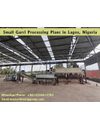
Within Nigeria's agricultural economy, cassava serves as a fundamental staple and cash crop. The enhancement of its processing, particularly for garri production, presents a significant opportunity for value addition and economic growth. Modernizing the traditional methods of garri production is key to unlocking this potential, improving efficiency, quality, and market competitiveness.
Current Challenges in Garri Production
A considerable number of small to medi