


- Home
- Companies
- Jenfitch INC.
- Articles
Jenfitch INC. articles

Abstract
Agricultural irrigation systems represent complex physicochemical environments capable of supporting persistent microbial populations. These microbial communities establish on wetted infrastructure surfaces and contribute to long-term system instability, including emitter flow restriction, biofilm formation, and infrastructure degradation. Oxidation-reduction potential (ORP) serves as a primary environmental determinant governing microbial survival, attachmen
Katie Cimino
Abstract
Huanglongbing (HLB), also known as citrus greening disease, represents one of the
most severe biological threats to citrus agriculture globally. Caused by the
phloem-limited bacterium Candidatus Liberibacter asiaticus, HLB disrupts vascular
transport systems and leads to progressive tree decline and mortality. While
transmission is primarily associated with the Asian citrus psyllid vector, microbial
persistence within irrigation en
Katie Cimino
Abstract
In agricultural production and post-harvest handling, inconsistent pathogen control is commonly attributed to environmental variability, application technique, or insufficient chemical strength. However, increasing evidence suggests that biofilm-mediated microbial protection plays a critical and often underappreciated role in treatment failure.
katie Cimino
Jenfitch, Inc. is proud to share the results of an in-field citrus study conducted at Wheeler Farms, evaluating the performance of JC 9465 on citrus trees affected by citrus canker and HLB (Huanglongbing / citrus greening).
This multi-trial observatio
katie Cimino

Fly control failures at scale are rarely caused by a lack of effort or an absence of products. They occur because most solutions were never designed for the environments in which they are deployed. In high-load agricultural and industrial operations, fly pressure is continuous, biologically reinforced, and environmentally protected. Effective control under these conditions requires chemistry that functions within real systems — not around them. Jenfitch developed JC FlyGuard 9620 i
In today’s livestock industry, efficiency, animal comfort, and sustainability all depend on one fundamental factor: how well producers manage the waste environment that supports their herds. Whether it’s a deep-pit barn, a slatted-floor confinement system, or an open lagoon, wet organic buildup becomes the perfect breeding ground for flies—one of the most persistent challenges in animal housing.
For decades, operations have relied on
katie Cimino

The piece highlights how biosurfactant chemistry provides a sustainable, source-level solution for fly management in livestock environments—particularly deep-pit, slatted-floor, and lagoon systems. It fits naturally alongside your recent Livestock Product Alert content, complementing topics like manure handling, barn design, and herd health.
katie Cimino
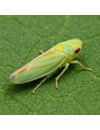
This white paper provides a detailed, research-informed review of the multifaceted economic, regulatory, and public health impacts of flying insect populations in industrial and agricultural facilities. It synthesizes current literature on disease vectoring, operational disruption, compliance risk, and community impact, before introducing JC FlyGuard 9620 as a systems-based solution engineered to break the recurring cycle of infestation and re-infestation. Readers will gain an understanding o
Katherine Cimino
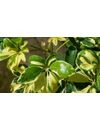
Citrus greening, more widely recognized as Huanglongbing (HLB), is caused by the bacterium Candidatus Liberibacter asiaticus, has emerged as one of the most destructive threats to citrus production worldwide. Since 2019, this disease has ravaged citrus industries worldwide, destroying approximately 75% of orange and 85% of grapefruit production in affected regions. It severely stunts tree growth, causes mottled leaves, misshapen fruit, and ultimately leads to tree death.
Charles Jennings

In California’s sun-soaked vineyards, where the wine and table grape industries are cornerstones of the state’s agricultural economy, powdery mildew remains a relentless adversary. Caused by the fungal pathogen Erysiphe necator, powdery mildew is one of the most pervasive and damaging diseases in viticulture, affecting both the yield and the market quality of grapes.
Once established, powdery mildew spreads rapidly, producing a characteristic white, powdery c
Charles Jennings