


- Home
- Companies
- Lab Products, LLC
- Products
Lab Products, LLC products
BioContainment & Isolation Systems
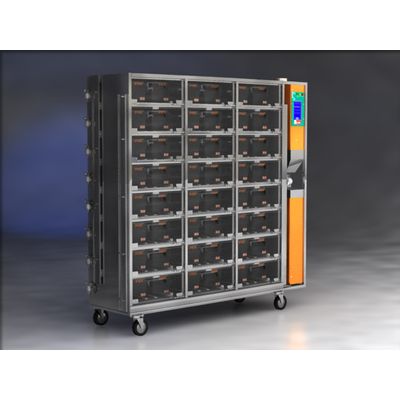
Lab Products - Model bCON™ - Biocontainment Systems for ABSL-3 Animal Housing
The bCON™ Biocontainment System is an advanced solution for ABSL-3 animal housing, overcoming traditional limitations by balancing containment needs with research flexibility and operational efficiency. This system offers innovative dual-layer protection and adaptable configurations, ensuring safety and maximizing utility. The bCON™ system is available in two specialized product lines: the Super Mouse 1800™ and One Cage 2100™, each designed for various species including mice, rats, hamsters, and guinea pigs. The Super Mouse 1800™ options come with either 75 sq. in. or 180 sq. in. of floor space, while the One Cage 2100™ offers up to 210 sq. in. This flexibility allows researchers to optimize space and conditions for diverse studies. Automated safety features further enhance operational excellence, ensuring that the most stringent biocontainment standards are met. Targeting enhanced research capabilities and efficiency, the bCON™ system represents a significant advancement in biocontainment technologies.Conventional Animal Cages
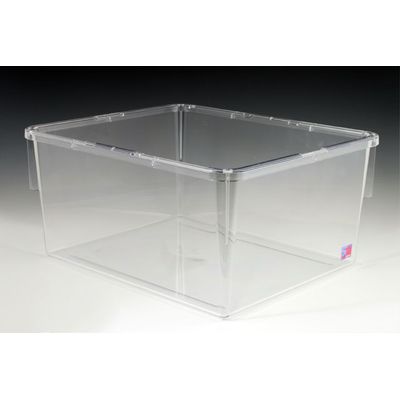
Lab Products - Conventional Guinea Pig Cages
Conventional guinea pig cages are crucial for maintaining research efficacy by ensuring long-lasting quality and compatibility with existing laboratory systems. These cages are crafted with durable materials such as Zyfone, Zytem, and polycarbonate, which are known for their resilience in various research environments. Designed to meet regulatory requirements, these caging solutions offer seamless integration with essential accessories like covers, racks, filter tops, and more for enhanced animal welfare. The flexibility in material choices accommodates different research budgets, offering options like polypropylene and polystyrene for cost-sensitive applications. Moreover, the cages provide a wide selection of enclosures capable of housing a variety of species, tailored to suit specific study protocols. Engineered for high performance, they maintain structural integrity over time, reducing the frequency of replacements, thus optimizing long-term research investments.