


Stark Bro`s Nurseries & Orchards Co. products
Berry Plant
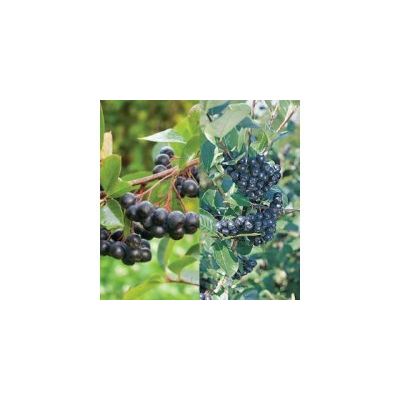
Aronia Berry Plants
The aronia berry plant (Aronia melanocarpa) is native to eastern North America, even though Europe also has a successfully naturalized species of the plant. Creamy white ornate flowers decorate the aronia berry bush in spring, followed by ink-black berries in the fall. Fall foliage is known to change from smooth green to a vibrant-red color, making the aronia berry bush a seasonal beauty. Plants tend to be cold hardy and resist pests and disease, making them easy-care additions to the backyard garden once established. Aronia berries are a rich source of antioxidants and vitamin C. They can be eaten fresh when ripe, where the flavor is sweet, although the astringent pucker explains the origin of the colloquial name, chokeberry. The fruit is more commonly used in juices, wines, and jellies.
Garden Plants
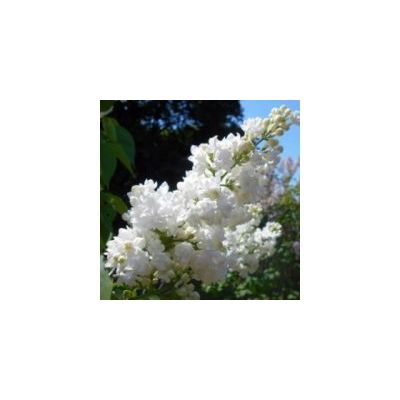
Lilacs Plant
The sight and smell of lilacs in bloom is an experience you won’t want to miss! Lilac bushes come in a many different shapes and sizes. They usually have dark green foliage, and their blossoms range from purple to white — and many colors in between. You can plant several in a row to create an attractive border, hedge or natural windbreak. Most attract an array of wildlife like bees and butterflies, bringing even more beauty to your space. Some varieties are even reblooming so you can enjoy the sight and scent of lilacs even longer. Lilac plants can thrive in a wide range of climates, but their cold hardiness makes them especially well suited for northern gardens. Grow your own lilacs and grace your landscape with beauty and fragrance.
Landscape Trees
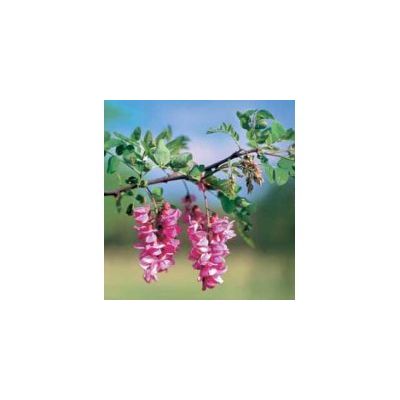
Flowering Trees
Our flowering trees will create a picturesque scene in any outdoor space, in any season. When spring blossoms arrive, these trees are drenched in lovely, fragrant flowers, which may attract beautiful butterflies and hummingbirds. And you can clip the flowers to create your own natural bouquets. In summer, gorgeous green leaves cover the tree and help to provide gentle, cooling shade. Fall brings stunning foliage in exquisite, warm colors like red, orange, yellow and more. Even in winter, when some of these trees are bare, the graceful branches make it a striking addition to your yard. You can use one flowering tree to create a landscape focal point or plant multiple trees in a row to create an attractive border or privacy fence.
Nut Trees
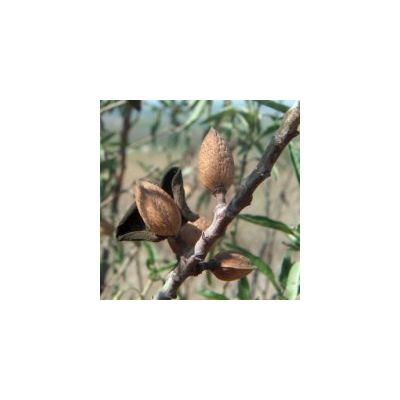
Almond Trees
Almond trees are well-suited for most home growers because of their small, compact nature. The almond tree is a relative of the peach tree and the edible almond seed even develops inside a peach-like fruit or “hull” that is discarded after harvest. The fragrant blossoms of the almond tree are highly attractive to bees and other insects and provide an excellent food source for these pollen carriers in early spring. Almonds are a nutritious, heart-healthy snack that will thoroughly impress you with their homegrown flavor! They can be eaten raw (after drying for several days), roasted, or made into a non-dairy almond “milk”. Enjoy homegrown almonds, which start to develop between years 2 and 4 (after planting) and steadily increase production each year after maturity.
Chestnut Trees
The chestnut is a prized source of food in many cultures, most likely due to its relatively high fiber content, vitamins, minerals, and its culinary versatility. Once peeled, harvested chestnuts can be eaten raw or deep fried, but they are commonly scored and roasted, which does not require peeling. Chestnut trees and their nuts are also attractive to a wide range of wildlife, from insects to mammals, as a food source. The wood of a chestnut tree makes for an attractive and durable timber. While most native chestnut trees were wiped out by a fungus that causes chestnut blight, our chestnut varieties were specifically bred for blight-resistance so you can grow and enjoy these majestic trees.