

- Home
- Companies
- Terrafarmer Ltd.
- Services
Terrafarmer Ltd. services
Consultancy Services - Regenerative Agriculture

The Roots of Regenerative and Biological Farming
Regenerative agriculture is a method of farming that uses natural systems to build soil and soil health, restore water cycles, and encourage biodiversity. Regenerative agriculture promotes systems that capture carbon dioxide from the atmosphere and store carbon in the soil in a more stable form, otherwise known as carbon sequestration. While we understand that every farm business is unique, we believe there are some fundamental principles that are applicable to all. Our ‘five roots’ strategy outlined below seeks to improve soil health, minimise inputs, enhance farmland biodiversity, and improve the overall profitability of every farm business we work with.
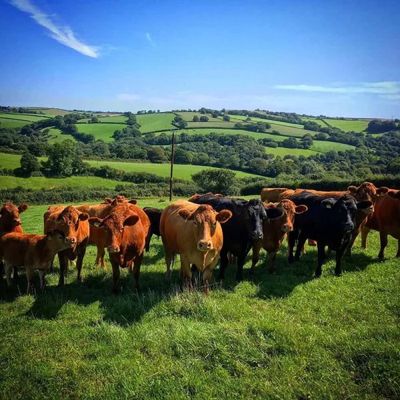
Livestock Integration Services
We believe that integrating high welfare, pasture-based livestock production is a key part of regenerative agricultural management. Let us help with your herd or flock. Healthy animals are profitable animals: It is now widely accepted that positive animal welfare not only results in improved output and performance through increased growth rates, product quality and yields, fertility and longevity, but also reduced costs associated with disease and animal losses and improved environmental impact.
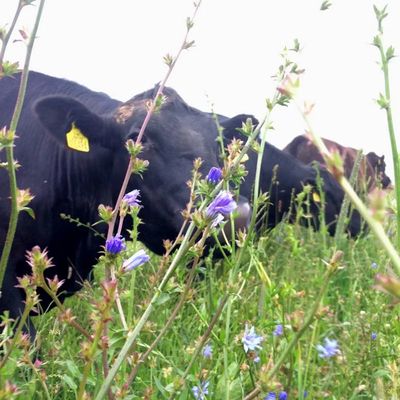
Herbal Leys
Interest in diverse herbal leys has increased dramatically in recent years in light of their benefits for soil health, reducing inputs and tolerance to drought. A herbal ley is a diverse sward of different grasses, legumes and herb species, with varying rooting depths, properties, and drought tolerances. Herbal leys are a central aspect of many modern regenerative farming strategies, with a positive and rapid impact on soil health, structure, drainage, and ecology. They usually include nitrogen-fixing legumes, which are high in protein and tannins, and offer huge potential for carbon sequestration, as well as reducing reliance on fertilisers. Herbal leys also provide an important food source and habitat for formal biodiversity, including insects, birds and mammals.