

Vermisol Naturel Tarım San. Trade Ltd. Sti. products
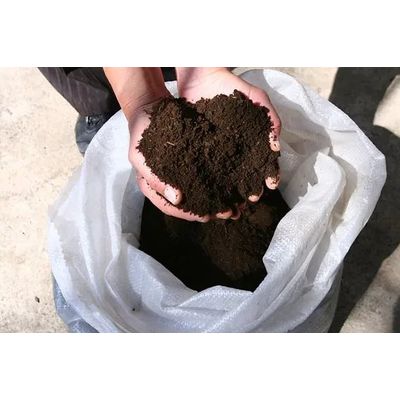
Vermisol - Lumbricus Rubellis Solid
VERMISOLID is obtained from the dung of Lumbricus Rubellis worms, known as the Red California Worm. In the production of VERMISOLID worms` bait does not contain any waste, garbage, etc. The worms feed only on organically grown cattle droppings. With this feature, VERMISOLID is the vermicompost with the highest productivity rate. biohumus; improves the physical properties of the soil, the soil becomes more friable. As a result, the fertilized soil retains the required moisture (IRRIGATION REQUIREMENTS REDUCE 30%) or more? drains (PLANTS DO NOT rot). from its competitors differently; During the VERMISOLID production phase, worms are fed only with cattle manure.
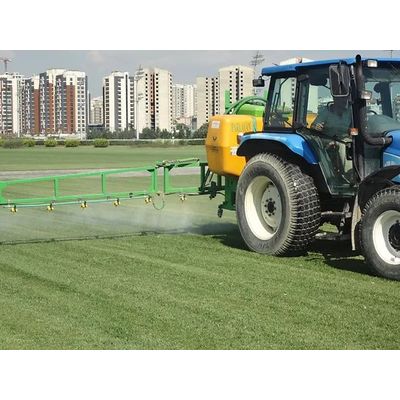
Model Solikit - Biofertilizer
SOLIKIT, It is a biofertilizer extract obtained from red California worms. It is a highly effective, ecological humin fertilizer that is widely used in all agricultural products grown in open fields and greenhouses. It is used in crops such as vegetables, wheat, corn, sunflowers, grapes, fruits, strawberries, flower and ornamental shrubs, grass fields, essential oil-bearing plants, fiber plants and medicinal plants, tree species, etc. The essence, dissolved, contains the most important nutrients of biofertilizer – Humic acids, Fulvic acids and all macro and micro elements required for the plant, in concentrated form. These properties allow it to be used as a soil fertilizer before and during plant reproduction, and also as a foliar fertilizer.
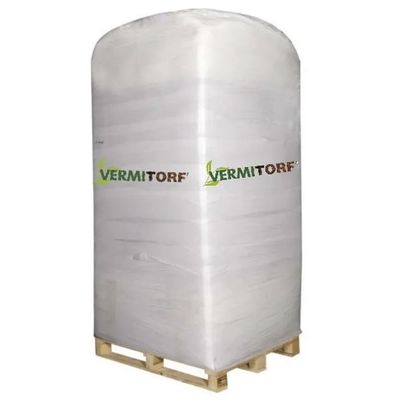
Model Vermitorf - Organic Soil Conditioner
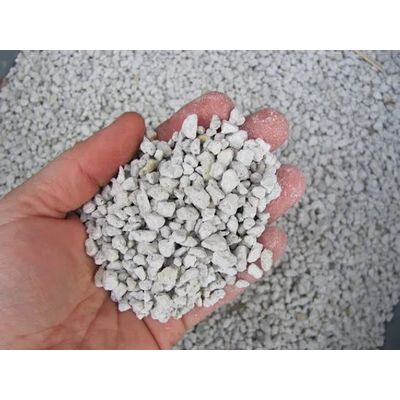
Model Soliper - Perlite for Soil Mixture
Perlite A natural glass similar to granite composition, broken into small pieces in pearly appearance, formed by the sudden cooling of magma or dense lava. Perlite is also called pearl stone. The gray and greenish ones are Famous, but there are also various shades of brown, red and blue. Their luster is pearly or oily like. Perlite was not of commercial importance until the 1950s. But after 1950 it gained a lot of importance. If the crushed perlite is heated rapidly to the softening temperature of about 800-1000°C, the 3-4% water in it evaporates and explodes the perlite. The volume of blasted perlite becomes 20 times the volume before it was blasted. Thus, a material with a very low density is obtained. It is also used in the plant soil mixture, increasing the moisture of the soil.
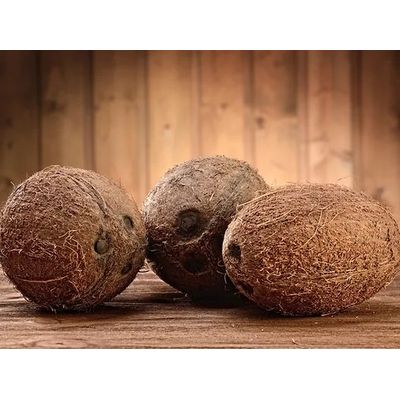
Model Cocoverm - Coconut Peat Media
It is an organic growing medium consisting of the outer shell of the coconut (after the edible walnut part is removed). In addition to its woody structure, the outer bark contains plenty of fiber, coarse to fine grained cocopeat (peat) and dust particles. rough part; It consists of bark and fibers. The decomposed fines are sieved to remove dust and form COCOPEAT, also known as coconut peat. Cocopeat is one of the best known rooting and growing media. %one hundred It is organic and recyclable.
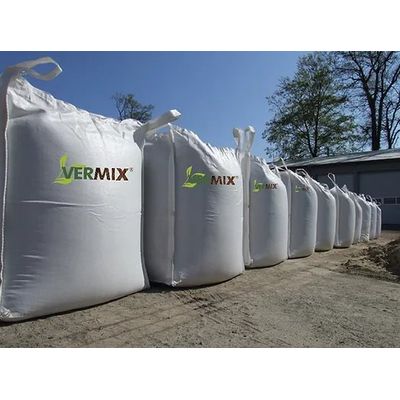
Model Vermix - Mixing Fertilizers and Auxiliary Materials
Vermix Baltic (imported) white s phagnum variety with peat It is a plant growing medium obtained as a result of mixing fertilizers and auxiliary materials such as pumice stone and vermiculite. Mixture of all fractions of peat (0-5, 5-10, 10-20, 10-40, 20-40, 0-10, 0-20, 0-40 and > 50 mm.) and fertilizer and auxiliary materials can be prepared according to the requests of the companies. Again, the fractions are adjusted according to the type of plant to be produced and at the same time The fertilizer contribution can be increased or decreased.