

Zacken - Alfalfa Silage Inoculant Powder
Microbial Inoculant helps reduce the loss of nutrients improve the quality of silage. Cell viable count: NLT 10B-100B CFU/g (customizable).
Forage preservation via ensiling has become a global practice because it provides a consistent, reliable, and predictable feed supply for ruminant production systems. The use of microbial silage inoculant on the fermentation has been widely used for lowering pH value, reducing the loss of nutrients, shortening the fermentation time, increasing the fermentation efficiency, and improve the quality of silage, based on their metabolite production, ability to induce a fast drop in pH, growing capacity in different conditions, and broad-spectrum antimicrobial activity against pathogenic and harmful spoilage organisms, ZACKENBIO doctor team finely selected the strains to formulate the compound probiotics silage inoculants for your options.
Usage and dosage:
Applicable animals: for ruminants
Storage method:
cool and dry place
Packaging:
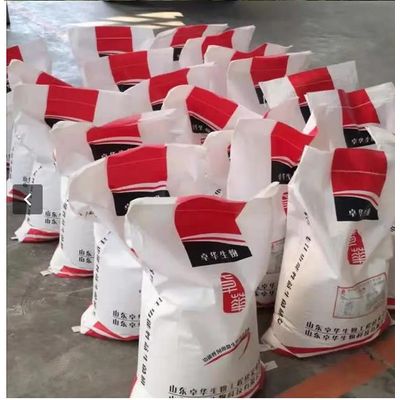
1000g/bag
Shelf life:
12 months
- Lactobacillus plantarum ZW2032,
- Lactobacillus acidophilus ZW320,
- Pediococcus lactis,
- Lactobacillus reuteri,
- Saccharomyces cerevisiae DK45,
- Bacillus subtilis DK027,
- Cellulase
- Lowering pH value, reducing the loss of nutrients, shortening the fermentation time, increasing the fermentation efficiency, and improve the quality of silage.
- Targeted design, precise positioning, obvious function, and a pioneer of functional feed microorganisms
- Rapid fermentation produces a large amount of lactic acid, reduces the PH value, and effectively inhibits the growth of spoilage bacteria;
- Suppress silage heating and consume nutrients, reduce the loss of nutrients by about 15%;
- Shorten the fermentation time and improve the fermentation efficiency. Improve the quality of silage;
- Improve the digestibility of dry matter and crude fiber
- Inhibit protein degradation in silage and reduce ammonia content;
- Improve the flavor of the forage, enhance the palatability, and increase the feed intake of livestock;
- Effectively inhibit secondary fermentation and facilitate long-term storage;
- Improve the balance of gastrointestinal flora, improve digestion and immunity;
- Increase milk production, improve meat, dairy products, and flavor.