


- Home
- Companies
- ETIA S.A.S.
- Products
- Biochar - Heterogeneous Sustainable ...
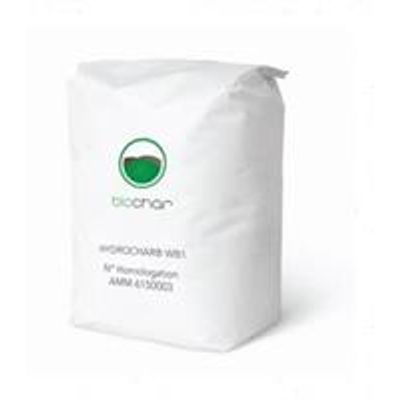
Biochar - Heterogeneous Sustainable Material
Biochar is a heterogeneous substance rich in aromatic carbon and minerals. It is produced by pyrolysis of sustainably obtained biomass under controlled conditions with clean technology and is used for any purpose that does not involve its rapid mineralisation to CO2 and may eventually become a soil amendment.
Biochar is a solid product obtained in pyrolysis of biomass. It is a carbon-rich and porous material which can be used for a wide range of applications, among which soil improvement, remediation and pollution control take the most important roles.
As a product, biochar differs from charcoal, which is produced at lower temperatures and considered as solid fuel, containing high quantity of volatile matter. Because of higher process temperatures, the chemical structure of biomass changes and content of hydrogen, nitrogen and oxygen in biochar is significantly decreased in relation to carbon. In contrary to charcoal, biochar is also not phytotoxic.
Biochar is mainly used in agriculture to enhance soil fertility, improve plant growth, and provide crop nutrition. As a result, it improves the overall farming productivity. It has also gained considerable attention in livestock farming as an animal feed.
Biochar and terra preta
The biochar history traces back to an ancient methods of Amazon Indians used to change infertile, sandy soils into rich and sustainable fields, also noticed as distinctive dark-colored soils called terra preta or terra preta de indio (Indian black earth). These soils were found to show significantly higher fertility and are described in many pieces of literature due to its exceptional richness and impact on increasing the crops yield. The existence of the terra preta was bringing the attention of various specialists since the middle of XX century. The carried analysis showed that these types of earth are much more fertile than other soils in the Amazon basin thanks to the presence of a special type of charcoal, which was later named “biochar”. This special ingredient has been scientifically dated hundreds to thousands of years ago as an exceptionally stable soil improver. Today, the biochar added values are more and more often explored in the industrial scale, allowing to generate this natural soil nutrient by safe, low-emitting and resource efficient technologies.
Biochar and climate change
Typically, biomass contains approximately 45 – 60% of carbon and about 35 to 40% of oxygen. The remaining elements are hydrogen, nitrogen and smaller amounts of minerals. When biomass is deteriorating or burned, a significant quantity of carbon dioxide is released into the atmosphere and contributes to the negative climate impacts, that could be avoided when producing biochar instead.
The biochar is a powerful tool to address the climate emergency. When biomass is subjected to the pyrolysis process, the majority of carbon remains in the solid product, together with the minerals and most nutrients. This helps to reduce the amount of carbon dioxide released into the atmosphere, so minimize the greenhouse gases while simultaneously creating an extremely fertile soil that needs no chemical adjustments.
During the production of biochar, the pyrolysis gases are considered as an energy source and help to reduce dependency on fossil fuels. This allows to reduce the overall fossil fuel consumptions and can represent a sustainable approach to reduce the greenhouse gases emissions in developed countries.
- soil additive: water retention product (Hydrochar)
- soil conditioner: nutrients carrier
- soil remediation assistant
- precursor for activated carbon
- filtration / decontamination material
- animal feed additive
Following the demand for sustainable water management and ecological farming, we have developed an exclusive products that will allow to enhance plant growth and minimise the water usage in agriculture.
Our dedicated, hydro-retaining product allows to increase the water storage capacity of soils and growing media and is known for delivering the substrates to root system of plant. It creates organic, natural alternative to most of the hydro- retaining solutions available on the market, which are synthetic and artificial products made with copolymers of acrylate and acrylamide.
HYDROCHAR® WB1 is a 100% organic, bio-derived product for water retention, which is exclusively produced in Biogreen equipment. Its ability to rise the quantity of water available for the plant greatly contributes to environment protection and global reduction of the greenhouse gases.