
- Home
- Equipment
Refine by
Russell Ipm Agricultural Equipment & Supplies
5 equipment items found

Manufactured by:Russell IPM Ltd based inFlintshire, UNITED KINGDOM
Cameraria ohridella causes significant damage to the horse-chestnut trees, including late summer leaf browning and subsequent reduction in seed weight, photosynthetic ability and reproductive ...
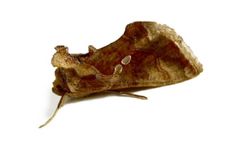
Manufactured by:Russell IPM Ltd based inFlintshire, UNITED KINGDOM
Plusia chalcites is the serious pest of tomato, tobacco, cotton, crucifers, and legumes. The Common names are golden twin spot, tomato looper; green garden looper. The synonym of this species is Chrysodeixis chalcites. It is geographically distributed in across the Europe, North Africa, Middle East, South East Asia, Australia and New Zealand. The high level of infestation is known to be ...
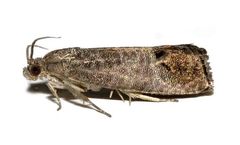
Manufactured by:Russell IPM Ltd based inFlintshire, UNITED KINGDOM
The codling moth Cydia pomonella is an economically important pest of many pome fruits including Apple, Pears, Crab Apple, Quince, Hawthorn, Apricot, Plum, Peach and Cherry. It is distributed across the Europe, Asia, United States, Mexico and Mediterranean countries. The larvae penetrate the fruit skin and bore through the core end feed up to the seed cavity. If an infestation of Cydia pomonella ...
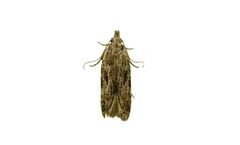
Manufactured by:Russell IPM Ltd based inFlintshire, UNITED KINGDOM
The main host crops are peach, apricot, nectarine, almond, plum and prune. Young larvae bore into buds and developing shoots causing them to wilt and die. When populations are high, spring larval feeding can cause substantial damage to trees. Larvae of the summer generations attack the fruit, usually making several entry holes near the stem end. Damaged fruit and twigs exude ...
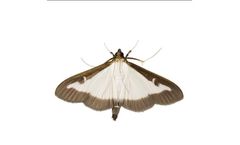
Manufactured by:Russell IPM Ltd based inFlintshire, UNITED KINGDOM
The box tree moth is a pest of box trees as well as other plant species in the buxaceae and some celastraceae species. Box trees are often found in homes and hotel grounds, historical gardens and churches. Box tree moth occurs in Asia, Europe and North America and has spread through trade of infested host plants. There are three or more generations per year depending on environmental conditions. ...