

- Home
- Companies
- Compostal Ltd.
- Products
- Compostal Cover
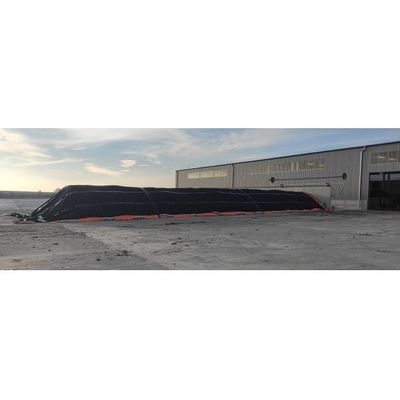
Compostal Cover
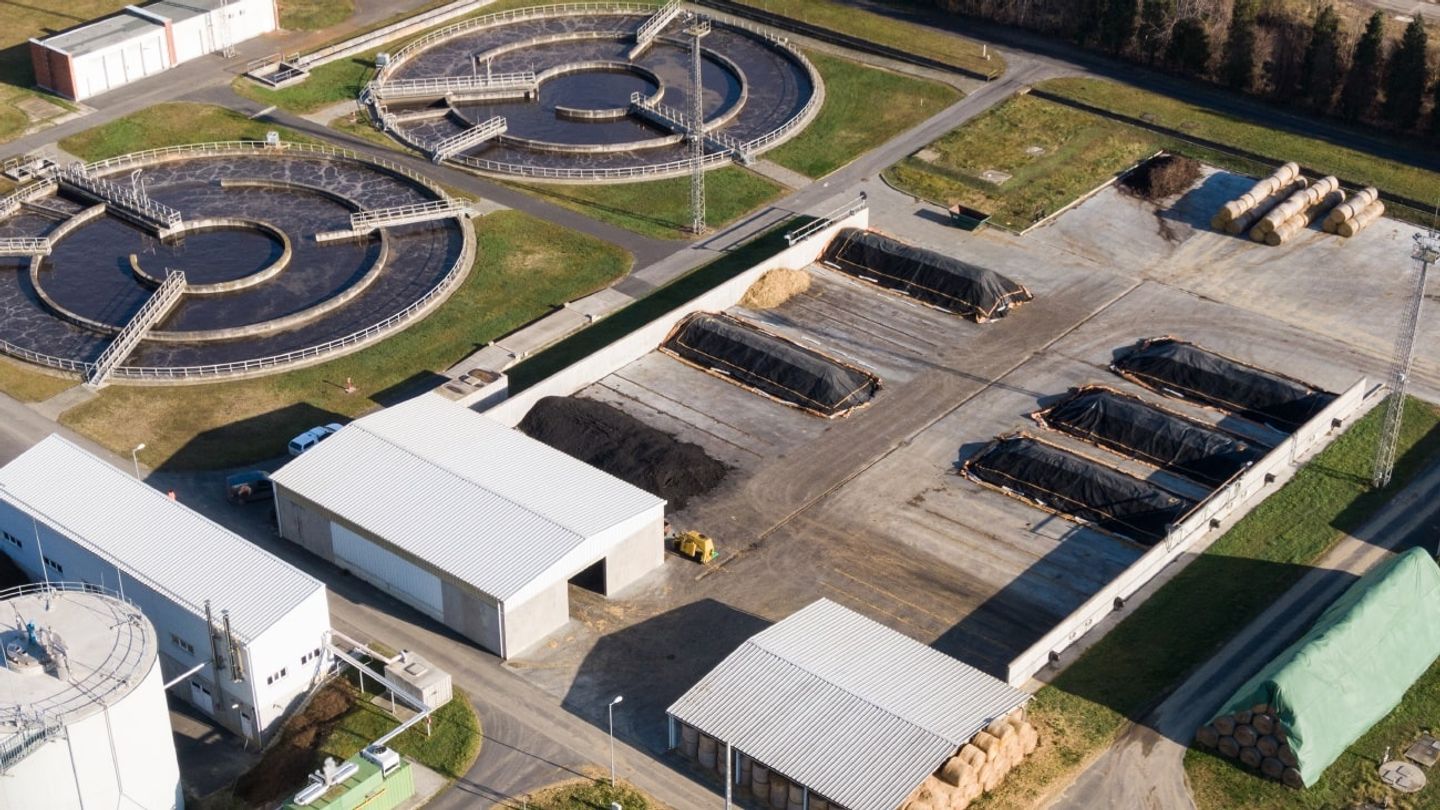
Windrows or piles are covered with semipermeable membrane covers, which are a method of treating emissions, such as odours, ammonia, VOCs, dust and bioaerosols from an active composting heap.
The cover is formed by a textile laminate with the membrane being the middle layer as the functional component. The emission retention is based on the combination of a liquid condensate layer being generated on the inner surface of the cover, which acts as a kind of bio- washer layer dissolving the majority of the gaseous substances, and the semipermeable behaviour of the membrane.
Following the force of gravity, droplets are formed and drip off thus maintaining a steady exchange with unsaturated water which in turn ensures the odour retention capability. Another important function of the semipermeable membrane cover as a system component is to provide for optimum moisture management during the above-mentioned biological treatment processes.
Achieved environmental benefits
- Low energy consumption: 1.5–4 kWh/t of input material (depending on the design and type of aerobic biological treatment).
- Emission reduction without further exchange of media (no depletion) like in the case of biofilters.
- No inherent odours generated by the semipermeable membrane cover.
- Lowest carbon dioxide equivalent compared to other technologies for composting operations