
- Home
- Companies
- RYNAN Smart Agriculture
- Products
- RYNAN - Controlled Release Fertilizers
RYNAN - Controlled Release Fertilizers
RYNAN Technologies presents an innovative approach to agriculture with their Smart Fertilizers, emphasizing controlled release technology to enhance efficiency and sustainability across diverse crop types. Unlike traditional fertilizers, RYNAN Smart Fertilizers deliver nutrients gradually over time, matching crop growth cycles and reducing nutrient waste. This method minimizes environmental impact by preventing nutrient runoff and volatilization, thereby curbing water and air pollution. A notable aspect is the nano polymer coating technology that incorporates beneficial microorganisms and plant hormones without impairment, enhancing nutrient uptake. Additionally, the outer anti-caking layer prolongs shelf life and improves storage resilience. These fertilizers cater to precision agriculture, adapting nutrient profiles to optimize yield and quality across various crops, from fruits to leafy vegetables. Furthermore, the reduced application frequency translates into lesser labor and cost, streamlining farm operations while maintaining soil health and boosting nutrient efficiency.
Industrial agriculture is the intensive production of crops on a massive scale, often involving unsustainable practices and the overuse of conventional fertilizers.
Excessive fertilizer use pollutes water and air, degrades soil health through salinization and reduced organic matter, and lowers nutrient use efficiency.
To achieve a sustainable balance, precision agriculture practices like targeted application and controlled-release fertilizers can minimize waste. Along with other sustainable farming practices, it can further reduce reliance on conventional fertilizers and promote long-term soil health, ensuring food security for the future.
Controlled Release Fertilizers (CRF) is a method to supply crop with nutrients gradually over a controlled period of time.
Our Solution
Early CRF representatives were not widely recognized due to high price and limited environmental awareness from farmers. However, our patented technology ensures that Rynan Smart Fertilizers (RSFs) for agriculture and horticulture are much more effective in retaining precious nutrients and microbial agents and yet accessible to farmers.
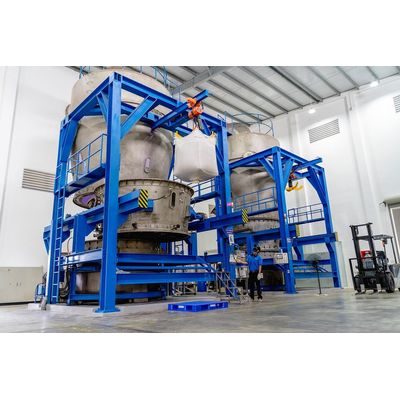
Unique Manufacturing Process
RSFs are manufactured within a 30-50 degrees Celsius environment, resulting in fertilizer granules with a remarkably higher swelling water capacity capable of retaining water.
Nano Polymer Coating Technology
Our patented coating technology allows the inclusion of additional beneficial micro-organisms, plant hormones and nitrifying bacterial inhibitors without the deactivation or denaturing of these additives.
Outer Anti-caking Layer
RSFs outer layer prevents granules from sticking together in the presence of humidity and at temperatures above 30°C. This ensures longer shelf life and prevents deterioration during transportation.
Reduced Risk of Fertilizer Burn
Conventional fertilizers applied in high concentrations can damage crops. RYNAN Smart Fertilizers minimize this risk by providing a controlled release of nutrients and helps to promote healthier crop growth.
Reduced Environmental Impact
By minimizing nutrient loss, RSFs contribute to a more sustainable agricultural system. They help prevent leaching (washing away) of nutrients into groundwater and volatilization (evaporation) into the air, reducing water and air pollution.
Improved Soil Health
With their specific nutrient release, RYNAN Smart Fertilizers can assist healthier soil by minimizing nutrient imbalances.
Boosted Nutrient Use Efficiency (NUE)
RYNAN Smart Fertilizers release nutrients gradually, matching the crop's needs throughout its growth cycle. This minimizes waste and ensures crops receive a steady supply for optimal growth, leading to potentially higher yields as well as improved crop quality.
Less Labor Required
Unlike traditional fertilizers that require frequent reapplication, RYNAN Smart Fertilizers' controlled release technology allows for fewer applications. This saves farmers time, labor costs and reduces the risk of over-fertilization.