

Insectius
  1. Companies
  2. Insectius
  3. Products
  4. Insectius - Insect-Based Organic ...

InsectiusInsect-Based Organic Fertilizer

SHARE
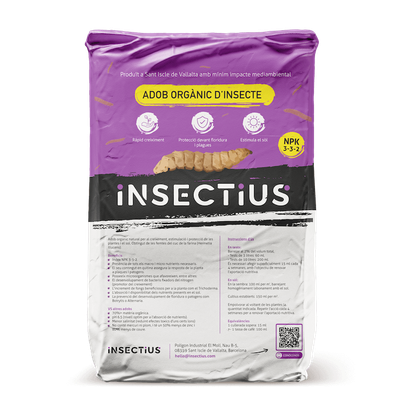
Frass is an innovative organic fertilizer derived from insect excrement. Known for its exceptional nutrient profile, Frass is rich in nitrogen (3%), phosphorus (3%), and potassium (3%), essential for robust plant growth and development. Its unique composition aids in improving soil structure by enhancing water and nutrient retention. This organic fertilizer also naturally protects crops against pests and diseases, creating a safe, sustainable agricultural practice. Versatile in its applications, Frass can be used as a base fertilizer, soil amendment, or foliar tonic. It is particularly beneficial for a wide range of plants, including vegetables, fruits, flowers, trees, and shrubs. Furthermore, Frass supports sustainable farming by minimizing dependency on chemical fertilizers and encouraging eco-friendly practices. Derived from insect farming, it is an environmentally conscious choice, promoting resource conservation and waste recycling, thus contributing positively to biodiversity and ecosystem health.
Most popular related searches

Frass is a high-quality organic fertilizer produced by insects.

Exceptional NPK
Frass is rich in nitrogen, phosphorus, and potassium, essential nutrients for plant growth and development.

Soil Structure Improvement
Frass improves soil structure, increasing its water and nutrient retention capacity.

Growth Stimulation
The nutrients in frass stimulate plant growth, promoting higher yields and better-quality crops.

Pest Repellent
Frass acts as a natural pest and disease repellent, protecting plants in a safe and sustainable way.

Our frass is a high-quality organic fertilizer, rich in essential nutrients for plant growth:

3
Nitrogen

3
Phosphorus

3
Potassium

Using frass and insects not only benefits animals but also the planet. Learn how our innovative solution contributes to a more sustainable future:

Emission Reduction
Lower reliance on carbon-intensive resources.

Waste Recycling
We transform organic waste into valuable nutrients.

Resource Conservation
Less use of water and farmland compared to conventional protein sources.

Biodiversity
Supporting ecosystem health through sustainable practices.