

Kryzen Biotech Pvt Ltd.
  1. Companies
  2. Kryzen Biotech Pvt Ltd.
  3. Products
  4. Kryzen - Naturally Ventilated ...

KryzenNaturally Ventilated Agricultural Polyhouse

SHARE

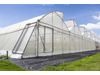
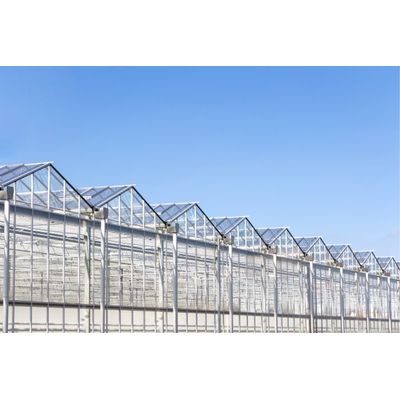
Kryzen`s naturally ventilated polyhouse is a revolutionary agricultural structure designed to optimize plant growth through a controlled environment. This polyhouse utilizes transparent polyethylene sheets to regulate temperature, humidity, and light, fostering suitable conditions for various crops such as vegetables, fruits, flowers, and herbs. Built using hot-dip galvanized steel with a zinc coating of 275g/m2, the structure promises excellent durability and a service life exceeding 20 years. The polyhouse integrates sophisticated ventilation systems, including a 1.4-meter top vent and a 4.5-meter side vent, to enhance airflow and temperature control. With a focus on cost-effectiveness, the polyhouse stands as an economical alternative for small to medium-scale farmers, particularly in tropical and subtropical regions. Additionally, Kryzen offers multiple optional enhancements, further optimizing the environment for high crop yields and water conservation.

Most popular related searches

polyhouse is a type of greenhouse structure made from transparent or translucent polyethylene sheets that create a controlled environment for plant growth. This protective covering helps regulate temperature, humidity, and light, providing optimal growing conditions for various crops, including vegetables, fruits, flowers, and herbs.

Polyhouse

A polyhouse is typically covered with polyethylene sheets (plastic), which are durable and cost-effective. These structures are designed to create a controlled environment by regulating light, temperature, and humidity.

Generally more affordable due to the use of plastic sheets for covering. Polyhouses are an economical option for small and medium-scale farmers looking for a controlled farming environment.

A polyhouse provides good temperature control but is generally less effective in very extreme weather conditions compared to glass greenhouses.

Polyethylene sheets in polyhouses allow diffused light to pass through, which is beneficial for uniform plant growth. However, they may not provide as much clarity or light intensity as glass.

Ideal for small and medium-scale farming operations, particularly in tropical and subtropical regions. It’s suitable for growing vegetables, fruits, flowers, and herbs.

A more cost-effective solution for farmers looking to grow crops in a controlled environment, especially for small to medium-scale farming.

Greenhouse

A greenhouse can be covered with a variety of materials, such as glass, polycarbonate panels, or polyethylene. Greenhouses made with glass are often more durable but also more expensive compared to polyhouses.

More expensive, especially if using glass or polycarbonate. Glass greenhouses are more common in larger commercial farms where long-term investment is feasible.

Offers superior insulation and temperature control, particularly when built with high-quality materials like glass or polycarbonate. It maintains stable temperatures, making it suitable for a wider range of crops and climates.

Glass or polycarbonate greenhouses allow maximum light transmission, offering the best possible conditions for crops that need high levels of sunlight.

Typically used in large-scale commercial farming, especially in colder climates. It is ideal for more sensitive crops, high-value plants, and year-round farming.

A more durable, long-term investment suitable for large-scale commercial farms and extreme climates, offering superior climate control and light transmission.