

- Home
- Companies
- Lam Tak (Pte) Ltd
- Products
- Lam Tak - Corn Steep Liquor Powder ...
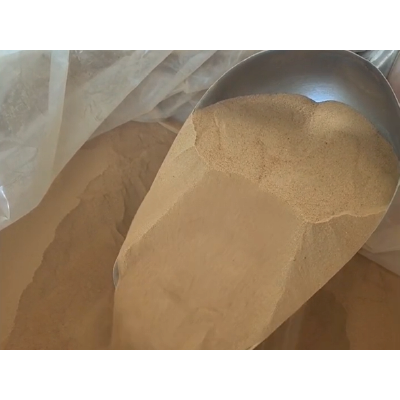
Lam Tak - Corn Steep Liquor Powder (CSLP)
Corn Steep Liquor Powder (CSLP) is a valuable by-product of the corn wet milling process. Traditionally, CSLP has been used in various industrial applications such as fermentation media for antibiotics, organic acids, and enzymes. With its rich source of amino acids, peptides, vitamins, organic acids, and plenty of unknown growth factors, CSLP has gained attention as a sustainable ingredient in animal feed. Research has shown that CSLP can enhance gut health, improve nutrient absorption, and serve as a cost-effective protein supplement, making it an essential component in livestock nutrition.
Traditional Uses of CSLP
Historically, CSLP has played a significant role in:
- Fermentation Industry: Used as a nitrogen-rich substrate for microbial growth in the production of antibiotics (e.g., penicillin), bioethanol, lactic acid, and citric acid.
- Agriculture: Applied as a biofertilizer due to its organic matter content, improving soil microbial activity and crop yields.
- Industrial Biotechnology: Employed in bioplastics production and bio-based surfactants, making it a key ingredient in sustainable manufacturing.
Nutritional Profile of CSLP
CSLP is rich in essential nutrients that contribute to animal growth and health. Below is a summary of its key components:
- Soluble Protein: 43%
- Total Amino Acids: 35%
- Free Amino Acids: 10.9%
- Lactic Acid: 22.8%
- Nitrogen: 7%
- Total Organic Carbon: 34%
- Moisture: 8%
- pH: 4.5
- Water Solubility: 100%
- Essential Minerals & Vitamins: Cu (5.5 ppm), Zn (173 ppm), Fe (443 ppm), Mg (1.13%), Ca (0.15%), , P (3%), K (5.8%) & B-complex vitamins etc.
Benefits of Using CSLP in Animal Feed
Several scientific studies have evaluated CSLP as a feed ingredient, demonstrating its positive effects on animal performance. For instance, there are studies show that CSLP at 4–8% inclusion supports microbial protein synthesis in the rumen, contributing to better fiber digestion and milk production in dairy cattle.
- Protein Supplement for Livestock
CSLP serves as an excellent source of soluble protein, amino acids, and peptides, making it a viable supplement in animal diets. While it has moderate protein content compared to other feed ingredients, it works well when combined with corn gluten or other protein-rich components to create a balanced feed.
Additionally, the blend enhances the feed’s palatability and nutrient availability, making it a more attractive option for livestock.
- Gut Health and Digestibility
With its high lactic acid content (up to 21%), CSLP provides several benefits:
- Supports the growth of beneficial gut bacteria, such as Lactobacillus.
- Helps maintain an acidic gut environment, inhibiting harmful bacteria like E. coli and Salmonella.
- Improves feed digestibility and nutrient absorption in non-ruminants.
- Natural Preservative & Feed Stability
CSLP’s acidic nature prevents microbial spoilage, reducing storage losses. This is particularly useful in moist feed formulations and silage production.
- Energy Source
Lactic acid serves as a quick energy source, especially for young monogastric animals like piglets and chicks.
- Cost Reduction in Feed Formulation
CSLP can partially replace expensive yeast extract (rich in peptides and amino acids) and acidifiers (such as lactic, formic or citric acid), making it a cost-effective choice for animal nutritionists.
Application in Fermented Feed Production
CSLP is widely used in fermented feed formulations to improve nutrient bioavailability and enhance the probiotic profile of the diet:
- Acts as a nitrogen source for microbial fermentation in silage and fermented grain-based feeds.
- Enhances the development of lactic acid bacteria, reducing pH and improving feed preservation.
- Increases the palatability and digestibility of fibrous feedstuffs for livestock.
Considerations & Restrictions
While CSLP has several benefits, careful inclusion in diets is necessary to avoid negative effects:
- Risk of Acidosis in Ruminants: Excess lactic acid can lead to acidosis if combined with high-starch diets.
- Dietary Acidity Control: Overuse may lower the pH too much, causing gastrointestinal irritation in non-ruminants.
- Storage Challenges: High lactic acid content makes CSLP hygroscopic (moisture-absorbing), which can complicate storage in humid conditions.
Recommended Dosage & Inclusion Rates
To maximize CSLP’s benefits while minimizing risks, recommended inclusion rates vary by species:
- Ruminants (Cattle, Sheep, Goats):
- Dosage: 3–6% of total dry matter
- Max Inclusion: Up to 10% (adjust based on diet composition).
-
- Ruminants can tolerate higher levels due to their ability to metabolize soluble nitrogen in the rumen efficiently.
- Note: Limit in high-starch diets to prevent ruminal acidosis.
- Poultry & Swine:
- Dosage: 2–4% of total feed
- Max Inclusion: Up to 5%
- Note: Avoid excessive dietary acidification that could affect feed intake.
- Aquaculture (Fish & Shrimp):
- Dosage: 1–3% of total feed
- Max Inclusion: Up to 5%
- Note: Consider pellet stability and aquatic species’ nutritional requirements.