

- Home
- Companies
- Lam Tak (Pte) Ltd
- Products
- Lam-Tak - Pea Protein
Lam-Tak - Pea Protein
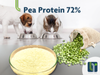
Pea protein and its starches have been used in pet food for many years, but interest in their application is rapidly growing. A key driver of this trend is the rising demand for non-grain pet foods, which started in the U.S. and is now expanding globally. As a plant-based protein, pea protein is widely used in pet food, aquafeed, and animal feed, often serving as a substitute for meat, fish, or soy in pet formulations.
Uses of Pea Protein
- Pet food: Commonly used as a partial or total substitute for soy, fish, or meat meals, pea protein’s application in pet food will be further discussed in the following content.
- Aquafeed: Pea protein’s high concentration in a smaller volume creates more room in formulations for other functional ingredients or protein sources. For example, in salmon diets requiring 40-45% protein, pea protein is combined with soy protein concentrate and fishmeal to achieve the desired protein balance.
- Animal feed: Pea protein is gaining interest in the feed industry as an alternative to soy protein for poultry and swine. However, its higher cost makes soy the more practical and widely preferred choice now.
- Nutrition: Provides essential amino acids that support muscle development and maintenance
- Digestion: Gentle on sensitive digestive systems
- Functional properties: Comparable to other proteins like soy and whey, pea protein has good solubility, water and fat binding capacity
- Sustainability: An eco-friendly alternative to other plant proteins
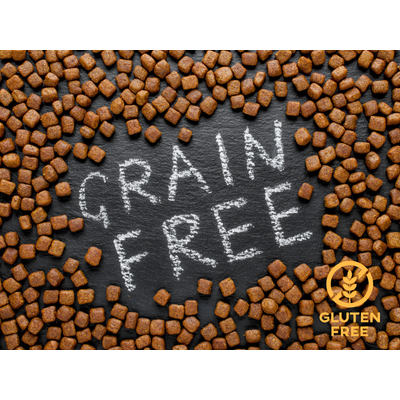
- Grain-free: Can be used in grain-free/ gluten-free or limited ingredient diets
Pea protein is a versatile ingredient for pet foods. It’s grain- and GM-free, and has good nutritional properties. It’s also a healthy, hypoallergenic protein source for pets.
Pea protein has a similar protein level to soy protein concentrate, and so can be a good substitute. Table 1 compares the amino acid profile of pea protein and soy protein concentrate. Pea protein is slightly higher in lysine, and its amino acid profile is largely comparable to soybean protein when standardized to the same protein basis of 72%.