


- Home
- Companies
- Sky Greens Canada
- Products
- Sky Greens - Millet Fodder Seed
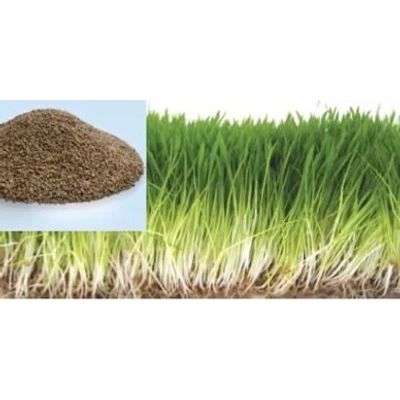
Sky Greens - Millet Fodder Seed
Providing similar benefits as oats and barley, millet is a wonderful option for fodder production. Proso millet is most popularly utilized as cattle, sheep and swine feed. Millet is a grass that is rich in B vitamins and high in fiber. It has been grown as a staple feed for thousands of years and is one of the world`s most important cereal crops. Millet fodder sprouts are highly digestible and nutritious. They are high in minerals and essential amino acids. Millet is similar to corn and is low in protein compared to other feedstuffs. Millet is also fairly starchy. It is commonly mixed with other seeds, such as oat or barley, to provide a more complete ration.
Benefits of feeding millet fodder
- Alternatives
- Feeding millet fodder offers these advantages to livestock:
- Contains beneficial minerals, such as iron, magnesium, phosphorous, potassium and calcium
- Rich in amino acids
- Full of B-complex vitamins
High in fiberThere are dozens of species of millets grown worldwide. However, there are only five millets of commercial importance. These include proso, foxtail, barnyard, browntop and pearl. Millet is grown for a variety of purposes including livestock feed, beer making and as a human food source. The best millet for fodder production is proso millet.
Feeding millet to horses should be avoided. Millet contains a glucose called setarian. If a horse consumes feed with this glucose, it will cause serious kidney irritation and result in excessive urination.
Millet, like corn, is quite starchy. Because of this, millet should be used in combination with grains at no more than 50% of the total feed mix.