


- Home
- Companies
- NOD Apiary Products Ltd.
- Products
- Model Formic Pro - Sustainable Varroa ...
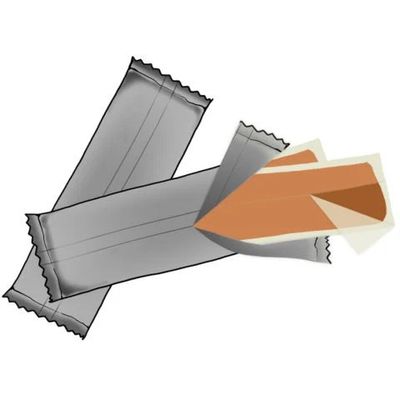
Model Formic Pro -Sustainable Varroa Control
Formic Pro is an all-natural product that targets varroa mites where they reproduce, under the brood cap. Manufactured in ready-to-use strips, it features an extended shelf-life of 24 months and no storage limitations.
Formic Pro comes in easy-to-use strips that are specially formulated with the active ingredient: formic acid. This organic acid penetrates the brood cap, targeting mites where they reproduce and protecting baby bees when they’re most vulnerable. Designed to be used as part of an integrated pest management (IPM) program, follow the special precautions for safe and effective use.
Monitor your mite levels throughout the beekeeping season. Treat with Formic Pro when mite levels reach the threshold for your area. High mite infestations may require more than one treatment.
Check the expiry date on packaging. Formic Pro has a 24-month expiration. Slow-release technology begins to degrade when the product expires and could lead to excessive bee mortality.
Store out of direct sunlight and in a dry location. Keep product in original container and tightly close lid. Store in a well-ventilated area, away from sulphuric acid, oxidizing agents, and sources of ignition.
Always place treatment on bottom brood box. Formic Pro is a brood treatment and is most effective when placed in the heart of the hive.
Optimal treatment temperatures for Formic Pro are between 50° to 85°F (10° to 29.5°C).
Remove entrance reducers. Bottom board entrances must be full width of the hive, minimum height ½ inch or 1.3 cm and fully open for entire treatment. If colonies have permanently reduced entrances, set back the upper brood box by ½ inch or 1.3 cm, or insert wedges between the bottom box and the bottom board to create a full entrance. Close off screen bottom boards for maximum efficacy. Do not consider open screen bottom boards as ‘ventilation’; bees draw in air through the bottom entrance to ventilate the colony.