

SoilMoisture Equipment Corp - a Stevens Water Monitoring Systems Company
SoilMoistureModel PT15-40 -Plant Water Potential Consoles

SHARE

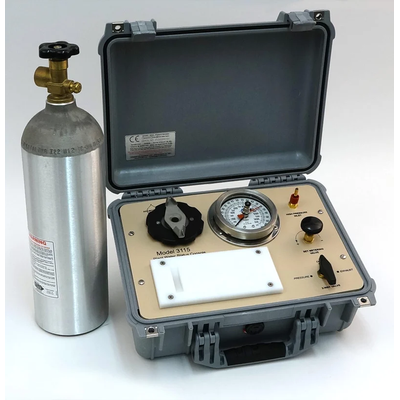
Plant Water Potential Console, Portable, 40 Bar Application Range.

Most popular related searches

Measuring plant water tension (often expressed as leaf water potential or stem water potential) is essential for understanding how plants manage water stress. This measurement helps researchers and growers assess the hydration status of plants under various conditions. Here’s how plant water tension measurements are applied across agriculture research, wine grape production, horticulture, and plant physiology research and education:

Agriculture Research

  • Irrigation Management Studies: Determine optimal irrigation schedules by identifying critical water stress thresholds for various crops.
  • Drought Resistance Breeding: Screen and compare crop varieties for their ability to maintain turgor and function under low water availability.
  • Crop Yield Optimization: Correlate water tension levels with biomass and yield to develop water-efficient farming strategies.
  • Soil-Plant Interaction Studies: Evaluate how soil texture, moisture retention, and amendments affect plant water uptake and stress.
 

Wine Grape Production (Viticulture)

  • Precision Irrigation (Deficit Irrigation): Apply just enough water to maintain desired stress levels that enhance grape quality (e.g., sugar, anthocyanin, and tannin concentrations).
  • Quality Control: Use water potential thresholds to control vegetative growth and improve berry composition, aroma, and skin-to-juice ratios.
  • Ripening Management: Adjust irrigation during veraison (onset of ripening) based on water tension readings to influence flavor and acidity.
  • Clone and Rootstock Evaluation: Compare different grapevine cultivars and rootstocks for their water-use efficiency and drought tolerance.
 

Horticulture

  • Greenhouse and Nursery Watering Practices: Avoid over- or under-watering in high-value ornamental plants, container crops, or young seedlings.
  • Transplant Shock Monitoring: Assess how quickly transplants re-establish their water uptake ability.
  • Drought Stress Hardening: Apply controlled water stress to improve resilience in ornamentals or turfgrass.
  • Pest and Disease Management: Water-stressed plants are more susceptible to diseases; early detection helps in preventative treatments.
Plant Physiology Research & Education
  • Water Relations Studies: Demonstrate concepts like turgor pressure, osmotic potential, and xylem transport.
  • Stomatal Regulation Research: Correlate water potential with stomatal conductance, transpiration, and photosynthesis.
  • Hydraulic Conductivity Studies: Investigate how water tension affects root, stem, and leaf water transport.
  • Educational Demonstrations: Use pressure chambers or psychrometers in teaching labs to show how plants respond to water stress in real time.