

- Home
- Companies
- Dayu Irrigation Group Co., Ltd
- Products
- Internal Inlay Drip Tape
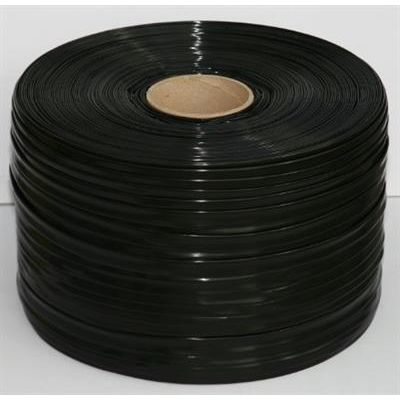
Internal Inlay Drip Tape
More efficient water use, SDI saves water with decreased evaporation and deep percolation. Decreased groundwater contamination, SDI decreases leaching of nutrients carried by over irrigation and poor uniformity
SDI provides the most effective management tool delivering water and nutrients directly to the plant roots at the precise time and in the precise quantity needed
Maximizes irrigated acres, SDI irrigates fields from corner to corner and easily adapts to small and odd shaped parcels
Optimizes plant nutrition, the nutrients carried by the irrigation water are applied directly to the plant roots.
Minimizes weed growth, SDI Irrigation produces drier soil surface and reduces weed germination
Enables the use of recycled water without adverse environmental impact. Complies with environmental and public health regulations which prohibit overhead irrigation of certain crops with recycled water.
system type
Short Term SDI
- System life expectancy of 3 to 10 years.
- Typically utilized for mid-valued crops
- Drip tubing typically installed between 3" and 10" of surface
- Designed to deliver peak ET demands of crop
Long Term SDI
- System life expectancy 20+ years.
- Typically utilized for commodity crops
- Drip tubing typically installed between 12" and 18" of surface
- Designed to utilize soil holding capacity and irrigation timing to deliver peak crop demand
Maintenance
Pressure & Flow Rate
Make sure the system operates according to the required pressures. System pressures and flows need to be monitored to ensure peak performance and maximum system life.
Filtration
Monitoring filtration performance is necessary.
Filtration requirements vary with water quality, dripper specifications, and other factors. Maintenance requirements for filters vary with type of filter (screen, disk, media, etc.) and water quality.
Chemical Treatment
Acid injection can reduce the precipitation caused by chemical contaminants. Acid wash (shock treatment) can reduce the build up of contaminants in the drip lines.
Chlorine injection restricts the growth of biological / organic contaminants like algae, bacteria & slime.
Chlorine oxidizes iron & manganese, into insoluble salts which can be separated from water, and reduces sulfur bacteria.
Pest Management
Pest Management is an essential maintenance function throughout the season.
Consideration
What you should consider before choosing an SDI System
Field layout - Field shapes and sizes
- Field Conditions - Soil type, depth of topsoil, subsoil type, slope, and topography
- Water - Availability, quantity, and quality (performing a water quality test is essential)
- Crops – Type, requirements, and rotation
- Cultural practices - Seed germination, tillage practices, and harvesting
- Drip line products – Diameter, wall thickness, emitter spacing, flow rate, and filtration requirements
- Location of drip lines - Depth, distance between laterals, and relation to the crop
- System components and location - Pumps, filters, controls, control valves, lines (main lines, sub-main lines, and manifolds), air relief valves, and drip lines
- Monitoring - System flow rates and pressures should be monitored to ensure peak performance and maximize system life
- Maintenance procedures -Routine maintenance is necessary for system longevity and optimal performance