

- Home
- Companies
- Best Harvest
- Products
- Best Harvest - Model BHT6071 - Silage, ...
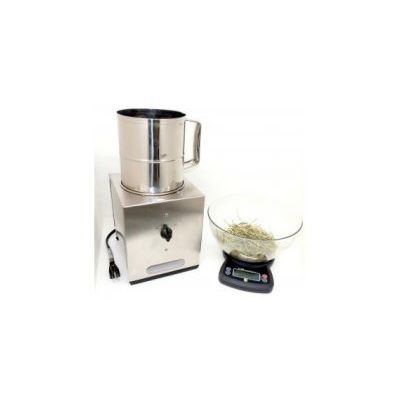
Best Harvest - Model BHT6071 -Silage, Hay and Crop Moisture Tester
Easy-to-use Silage and Crop Moisture Tester Measures the Moisture Content of Silages, Balage, Hay, High-Moisture Grains, Total Mixed Rations, Wet Distiller`s Grains, Wood Chips and Much More. Obtain reliable, consistent moisture content for silage and forages in under 30 minutes without charts or waiting on lab results. Use with High-Moisture Feed and Grains. Unit tests moisture content for all feeds across all moisture ranges. Also Excellant for use with Nuts and Seeds of All Types. Fast & EasyTest Replicates Faster Version of USDA Methodology.
- Measures Moisture and Dry Matter Content of Silage, Forage, Hay and More
- Control Dry Matter Intake in TMRs (total mixed rations)
- Accurate to 0.1% Moisture Content
- Measures Moisture Content from 0% to 85%
- Reliable Ceramic Heater Core
- Stainless Steel Construction
Includes Stainless Steel Testing Unit,. Specimen Container and Digital Scale w/Bowl. 110V (220V International Converter Available) Made-In-USA
- Hi-Temp Only (Approximately 300F)
- Prevent Mold, Spoilage and Storage Combustion
- Determine when to Harvest, Bale and Store Crops
- Better Control of Dry Matter Intake in Dairy Rations
- Used to Calibrate Electronic Moisture Testers
- Immediate Results, No Waiting on Laboratory Testing
- Simple Instructions for Fast, Accurate Results
Harvest Optimization maximizes digestible nutrients in crops which can only be obtained by harvesting at the proper stage of growth and storing within a specific range of moisture content.
Feed Optimizationcan be balanced, mixed or fed in the correct amounts when the
Moisture is money. It`s a statement that is even more critical today than in years past. Rising input costs are forcing growers to take a new look at crop quality, and moisture is a key factor. A Moisture Tester helps farmers be more in control of their crops, which makes this piece of equipment critical to a farm operation. It pays for itself in no time. Consider input costs, drying costs, shrink discounts, quality discounts, spoilage and ethanol specifications for incoming corn.