


Zuidberg - Track Systems
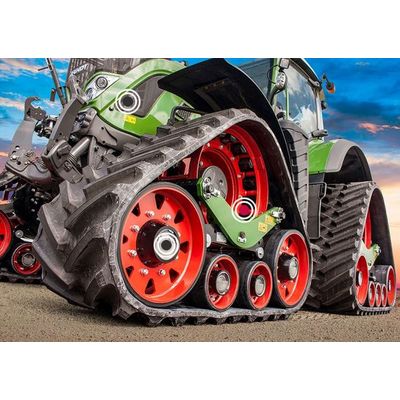
Rubber tracks offer a larger soil surface and, therefore, a lower soil stress than pneumatic tyres. Compaction of the topsoil layer is therefore reduced; this means that rubber tracks are more soil-friendly than pneumatic tyres. The differences between rubber tracks and pneumatic tyres are also measurable through deeper soil analysis. It has been demonstrated that the soil is less compact at all depths after rubber tracks have been used, in comparison with pneumatic tyres.
The soil is a vulnerable resource We must act now
Over recent decades, agriculture has enjoyed development on a massive scale, and crop growing has been intensified. In doing so, however, we have afforded secondary importance to the quality of our soil. Consequently, the subsoil under around half of Dutch soils is compacted on a permanent basis. Soil vulnerability has become increasingly apparent, in particular since the emergence of more extreme forms of climate change. The current situation simply cannot continue...
New soils
Sustainable food production equally requires sustainable soil management, new and different thought processes and assuming our responsibilities. The solutions we can adopt are evident:
- applying lower soil pressure
- striving for reduced soil compaction
- opting for improved soil life
Proven solution Rubber tracks generate less compaction than low-pressure tyres
Important for you as a user:
- Rubber tracks cause less soil compaction: up to 44%* less compared to special low-pressure tyres (measured in kg/cm2 at a depth of 20cm ).
- Compaction in lower soil layers cannot be solved by using rubber tracks alone; the overall weight of machines also needs to be reduced.